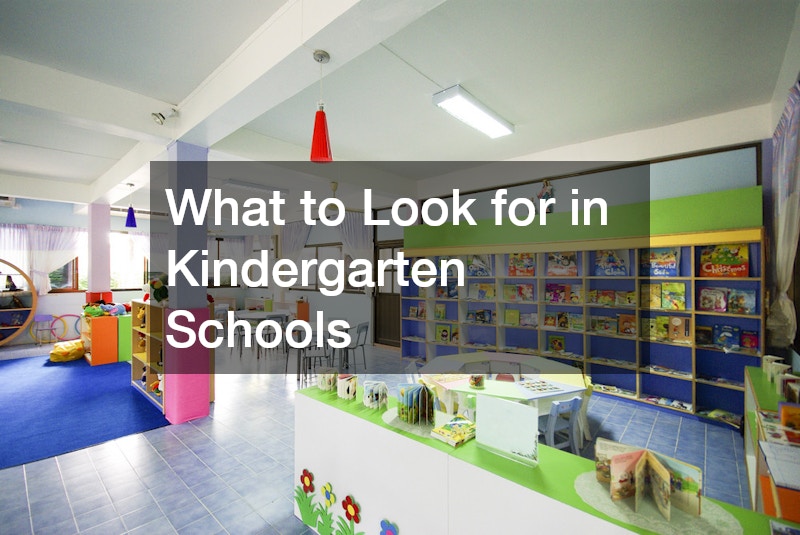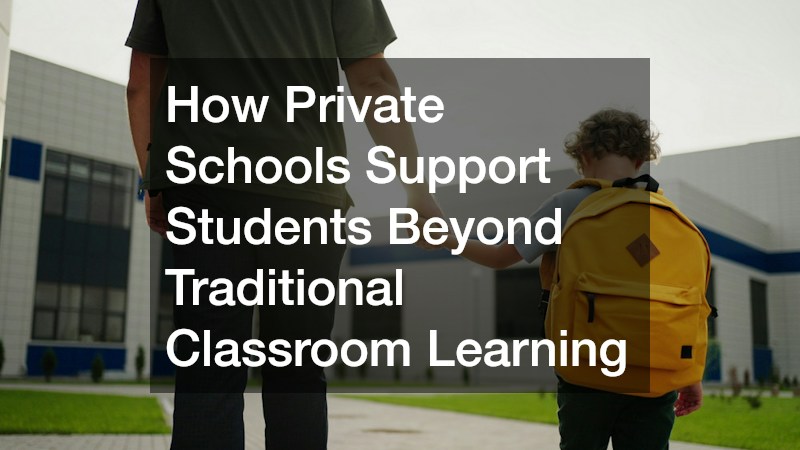
Education involves much more than completing assignments, studying for tests, and progressing from one grade to the next. Students also need opportunities to develop independence, explore interests, build relationships, understand practical responsibilities, and discover how their education connects to life beyond school. Schools can contribute to these areas by creating experiences that complement academic instruction and encourage students to apply what they learn in meaningful settings.
A broader educational approach can benefit students at different stages of development. Early learning can establish important habits, middle school can encourage greater independence, and older students can begin exploring career possibilities and adult responsibilities. Families can also reinforce these lessons through everyday decisions, community involvement, and experiences outside school. By connecting classroom learning with practical activities, community resources, career exploration, and hands-on experiences, schools can help students develop skills and perspectives that support them throughout their education and into future opportunities.
Choose Early Learning Environments That Fit Developmental Needs
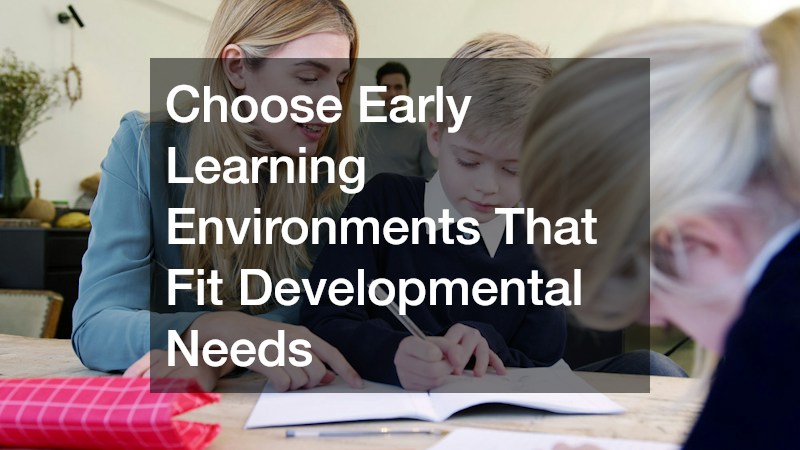
Early childhood education can influence how children approach learning, interact with others, and handle new experiences. Families considering the best Montessori preschools may be interested in environments that emphasize independence, hands-on activities, exploration, and participation in practical tasks. These approaches can complement academic preparation by giving young children opportunities to make choices and develop confidence in completing age-appropriate activities.
When evaluating early learning environments, families can look beyond the curriculum itself and consider how the setting supports a child’s overall development. Educators can also help families understand how classroom activities encourage communication, problem-solving, and social interaction.
Useful considerations include:
- How much opportunity children have for independent activity.
- Whether learning materials encourage hands-on exploration.
- How teachers support cooperation and communication.
- Whether daily routines help children develop responsibility.
- How progress is communicated to families.
An early learning environment can establish habits that continue into later grades. When children become comfortable asking questions, completing tasks, interacting with peers, and exploring unfamiliar subjects, they may carry those behaviors into future educational experiences.
Make Early Education Part of a Long-Term Learning Plan
A private preschool can provide children with an early educational experience that addresses more than basic academic preparation. Preschool years can give children opportunities to practice communication, follow routines, interact with peers, and develop greater independence before entering elementary school.
Families and educators can make this stage more useful by viewing early education as part of a longer developmental process. Rather than focusing only on immediate academic milestones, they can discuss how children are progressing socially, emotionally, and practically. Regular communication can help families understand areas where a child is developing well and areas that may benefit from additional encouragement.
Schools and families can support continuity by:
- Sharing observations about a child’s interests and strengths.
- Maintaining consistent expectations around routines and responsibility.
- Discussing changes in behavior or learning needs.
- Encouraging age-appropriate independence at home and school.
- Preparing children gradually for future educational transitions.
This approach can help children experience education as a connected process rather than a series of unrelated stages. Strong communication between educators and families can also make transitions easier as students encounter new expectations.
Encourage Independence During the Middle School Years
The middle school years often bring new academic expectations alongside greater social and personal responsibility. Students may begin managing multiple assignments, participating in larger projects, exploring extracurricular interests, and making more decisions about how they spend their time. Private middle schools can support this development by creating opportunities for students to take increasing ownership of their education.
Independence does not mean expecting students to manage everything without guidance. Teachers can provide structure while gradually giving students more responsibility for planning, organization, communication, and decision-making. This allows students to practice skills that become increasingly important as they progress through school.
Schools can encourage independence by:
- Giving students responsibility for project deadlines.
- Teaching practical organization and study strategies.
- Encouraging students to communicate questions directly.
- Providing opportunities for leadership and collaboration.
- Helping students reflect on their academic progress.
Extracurricular activities can also complement classroom instruction. Whether students participate in athletics, arts, clubs, or service activities, these experiences can require communication, preparation, cooperation, and accountability. Together, these opportunities can help students understand how personal responsibility applies across different areas of their lives.
Connect Students With Practical Career Preparation
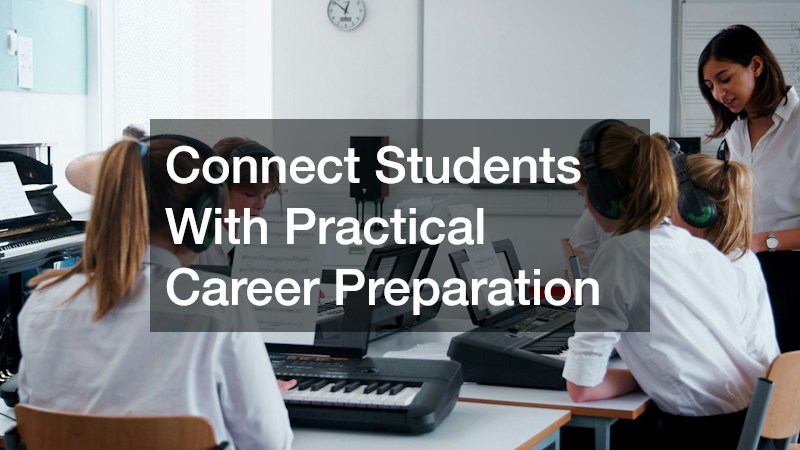
Career preparation can begin well before students enter the workforce. Schools can introduce students to different professional pathways by connecting academic subjects with practical skills, workplace experiences, and information about training requirements. Commercial driver license training, for example, can serve as one illustration of specialized preparation associated with a particular career path.
The purpose of introducing career options is not to direct every student toward one occupation. Instead, schools can help students understand that different careers require different combinations of education, technical knowledge, practical experience, and professional qualifications. This can make future planning more concrete.
Career exploration programs can include:
- Guest presentations from professionals in different industries.
- Career-focused field trips and demonstrations.
- Job-shadowing or internship opportunities where appropriate.
- Information about vocational and technical training.
- Discussions about qualifications required for different occupations.
These experiences can also help students recognize connections between subjects they study and skills used in professional settings. Mathematics, communication, technology, problem-solving, and organization can have applications across many fields. Giving students opportunities to explore those connections can help them think more deliberately about their future options.
Evaluate What a School Offers Beyond Academics
Choosing a private school involves considering the broader educational environment in which a student will spend much of their time. Academic instruction remains important, but families may also want to understand how a school supports creativity, leadership, physical activity, community involvement, career awareness, and personal responsibility.
Schools can communicate these opportunities clearly by explaining what students can participate in outside regular coursework. Families can then consider whether the available programs correspond with their child’s interests and developmental needs. A student who enjoys art may benefit from creative opportunities, while another may thrive through athletics, technology, service activities, or leadership programs.
Families can ask about:
- Extracurricular programs and student organizations.
- Arts, athletics, and enrichment opportunities.
- Leadership and community service activities.
- Career and college preparation resources.
- Opportunities for students to explore new interests.
A broader educational experience can give students more ways to discover their strengths. It can also expose them to activities they may not encounter through standard academic subjects, allowing them to develop skills and interests that can influence future educational and professional choices.
Use Experiential Learning to Bring Lessons Outside
Experiential learning can help students connect academic concepts with real environments. A visit to farm venues, for example, can give students opportunities to observe agriculture, environmental processes, animal care, natural resources, or other subjects in a setting where classroom concepts have practical context.
The educational value comes from how the experience is structured. Teachers can introduce concepts before a visit, give students specific questions to consider while they are there, and follow up afterward with discussions or assignments. This turns an outing into an extension of the curriculum rather than simply a change of scenery.
Educators can strengthen experiential activities by:
- Establishing clear learning objectives before the activity.
- Giving students observation questions or tasks.
- Connecting the experience to current coursework.
- Allowing students to document what they learn.
- Using follow-up assignments to reinforce key concepts.
Hands-on experiences can also encourage students to ask questions and make observations independently. These activities may be particularly useful for students who benefit from seeing, doing, and discussing concepts rather than relying exclusively on written instruction.
Strengthen Connections Between Families and Communities
Students are influenced by the communities surrounding their schools and homes. Community organizations can provide additional opportunities for social interaction, volunteering, family activities, mentorship, and service. A church for young families, for instance, may provide community activities or family-oriented opportunities that complement the support students receive through school.
Schools can encourage healthy community connections without assuming that every family will participate in the same organizations. The goal is to recognize that students benefit from positive relationships and opportunities to contribute beyond the classroom.
Schools and families can explore opportunities such as:
- Community service projects.
- Family-oriented educational events.
- Local mentorship programs.
- Volunteer activities.
- Youth recreation and enrichment programs.
Community participation can also help students understand concepts such as responsibility, cooperation, generosity, and civic involvement through direct experience. Schools can reinforce these lessons by incorporating service learning and discussions about how individuals contribute to the communities around them.
Teach Students Practical Lessons About Responsible Spending
Everyday household decisions can become opportunities for students to develop practical financial awareness. A family that decides to buy used clothes, for example, can discuss budgeting, product condition, personal needs, sustainability, and the difference between wants and necessities.
Schools can reinforce similar concepts through lessons involving personal finance, resource management, entrepreneurship, or sustainability. Students do not need to manage large amounts of money to begin learning how decisions involve priorities and tradeoffs. Age-appropriate examples can make these concepts easier to understand.
Practical financial lessons can involve:
- Comparing prices before making a purchase.
- Distinguishing needs from wants.
- Discussing product quality and useful lifespan.
- Setting spending limits for specific purposes.
- Considering reuse and responsible consumption.
These discussions can help students recognize that financial decisions involve more than choosing the least expensive option. Families can explain how quality, necessity, available resources, and long-term usefulness influence purchasing decisions. Schools can then build on those ideas with more structured financial education as students get older.
Help Families Navigate Major Educational Transitions
Relocating can affect nearly every part of a student’s routine. Families working with moving companies may be focused on logistics, but a change of residence can also involve transferring school records, adjusting transportation arrangements, leaving familiar friends, and adapting to a different educational environment.
Schools can support families by recognizing that transitions involve both administrative and personal considerations. Providing clear information about enrollment procedures, schedules, activities, records, and school expectations can help families understand what to expect. Teachers and counselors can also give students opportunities to ask questions and become familiar with their new environment.
Schools can assist during transitions by:
- Providing clear enrollment and orientation information.
- Helping families understand important school procedures.
- Communicating about schedules and extracurricular activities.
- Giving new students opportunities to meet peers.
- Checking in with students after the transition.
Families can also help by discussing the move openly and giving children opportunities to express concerns. Maintaining familiar routines where possible can provide additional stability while students adjust to a new home and school.
Make Student Work Visible Through Meaningful Projects
Students can gain a stronger sense of purpose when their work has an audience beyond the teacher who grades it. Projects, student publications, artwork, presentations, displays, and event materials can give students opportunities to create something that others will see and use. Printing services, for example, can support projects that require professionally produced physical materials.
The process of preparing work for an audience can also encourage students to pay greater attention to accuracy, organization, presentation, and communication. Teachers can use these projects to reinforce academic objectives while allowing students to make practical decisions about how information should be presented.
Meaningful project work can include:
- Student-produced newsletters or publications.
- Printed presentations or educational displays.
- Artwork featured in school spaces.
- Materials created for school events.
- Research projects prepared for a broader audience.
Teachers can strengthen these assignments by giving students a clear purpose, audience, deadline, and set of expectations. Students can then revise their work based on feedback before presenting the final product.
Education can extend far beyond the traditional classroom when students are given opportunities to develop practical skills, explore interests, participate in communities, and connect academic concepts with real experiences. Early learning, middle school development, career exploration, experiential activities, financial awareness, and meaningful projects can all contribute to a broader educational experience.
Families and schools each have an important role in creating these opportunities. Educators can provide structured experiences and introduce students to new ideas, while families can reinforce learning through everyday decisions, community involvement, and conversations about future goals. When these efforts work together, students can develop greater independence and a clearer understanding of how their education connects with the world around them. A well-rounded educational experience can prepare students not only for their next academic stage, but also for the responsibilities, relationships, and opportunities they may encounter throughout their lives.