Choosing a kindergarten program is an important decision for families. For many children, kindergarten represents their first extended experience in a structured educational environment. It can be a time when children develop foundational academic skills, practice independence, build friendships, and learn how to participate in a classroom community.
With many educational options available, parents may find it difficult to determine which program will best suit their child. Looking beyond a school’s location or schedule can provide a more complete picture of what the experience may be like.
Factors such as teaching approaches, classroom environments, communication, safety, and opportunities for social development can all play a role in finding an appropriate fit.
Consider the Learning Environment
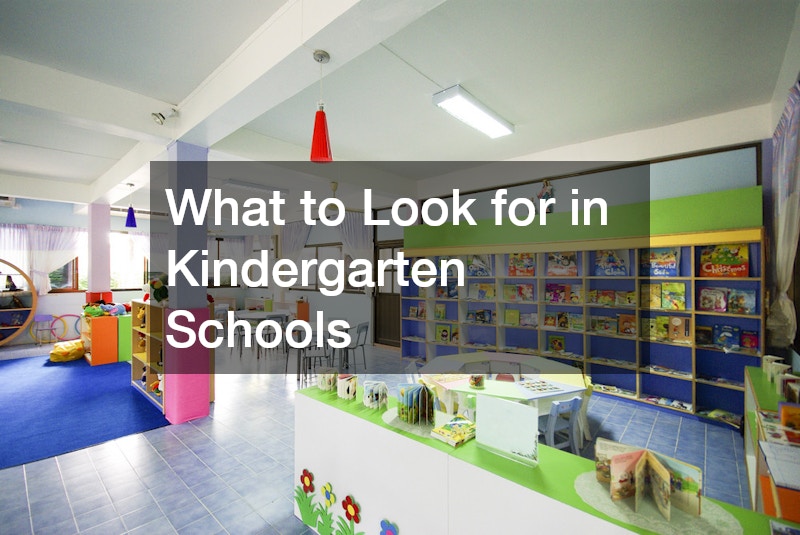
The classroom environment can have a significant influence on a young child’s experience at school. Look for a space that feels welcoming, organized, and appropriate for young learners.
Children at this age often benefit from opportunities to learn through hands-on activities, exploration, movement, and guided instruction. A classroom should provide age-appropriate materials and spaces where children can participate in different types of activities.
During a school visit, pay attention to how the classroom is arranged. Are materials accessible to students? Is there enough room for children to work individually and in groups? Does the environment appear engaging without being overwhelming?
These observations can provide useful insight into how the school approaches early learning.
Learn About the Curriculum
Parents should understand what children are expected to learn during the kindergarten year. While academic expectations can vary, programs typically introduce or strengthen foundational skills in areas such as reading, writing, mathematics, science, and social studies.
Ask how teachers balance academic instruction with play, creativity, movement, and social development. Young children learn in different ways, and a strong program should recognize that learning involves more than worksheets and memorization.
It can also be helpful to ask how teachers monitor student progress. Understanding how educators identify areas where a child may need additional support can give parents a better idea of how individual learning needs are addressed.
Look at Teacher Qualifications and Experience
Teachers have an important role in creating a positive early educational experience. When evaluating kindergarten schools, ask about teacher qualifications, experience working with young children, and opportunities for professional development.
Early childhood educators need to understand both academic development and the social and emotional needs of young learners. Experience can help teachers recognize when children need additional encouragement, structure, or support.
Parents may also want to ask about classroom staffing. Find out how many students are typically assigned to each teacher and whether classroom aides or other support staff are available.
A manageable student-to-teacher ratio can make it easier for educators to provide individual attention and respond to students’ needs.
Explore Social and Emotional Learning
Kindergarten is not only about learning letters and numbers. Children are also developing skills that help them interact with others and manage everyday classroom experiences.
Look for programs that intentionally support skills such as sharing, cooperation, communication, problem-solving, patience, and emotional awareness. Teachers can help children learn how to express their feelings, resolve disagreements, follow classroom expectations, and work with classmates.
Ask how the school responds when children experience conflicts or have difficulty adjusting. A thoughtful approach can help children develop confidence and learn constructive ways to handle challenges.
Ask About Daily Routines
Young children often benefit from predictable routines. Ask what a typical school day looks like and how the schedule is structured.
Important details may include arrival and dismissal procedures, classroom instruction, playtime, meals or snacks, outdoor activities, rest periods, and transitions between activities.
A well-organized routine can help children understand what to expect throughout the day. At the same time, some flexibility may be necessary because young children can have changing energy levels, interests, and needs.
Understanding the daily schedule can also help parents prepare their child for the transition into a school environment.
Evaluate Communication With Families
Good communication between educators and families can help parents stay informed about their child’s progress and experiences. Ask how the school typically communicates with parents.
Communication methods may include emails, newsletters, parent portals, phone calls, conferences, classroom updates, or in-person conversations. Find out how frequently families receive updates and who they should contact when questions arise.
Parents should also ask how teachers communicate concerns about academic, social, or behavioral development. Clear communication can make it easier for families and educators to work together when a child needs additional support.
Think About Your Child’s Individual Needs
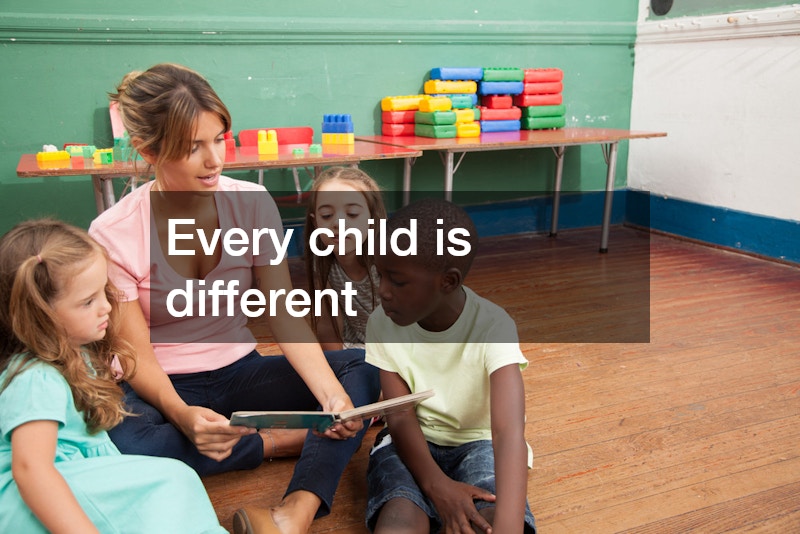
Every child is different, so the best program for one student may not be the best choice for another. Consider your child’s personality, learning style, interests, strengths, and areas where additional support may be helpful.
Some children may thrive in highly structured environments, while others may respond better to programs that provide more opportunities for exploration. Some may be eager to socialize, while others may need additional encouragement when entering a new environment.
When comparing kindergarten schools, think about whether the program can support your child as an individual rather than simply meeting general educational expectations.
Choosing a kindergarten program involves balancing educational quality with your child’s individual needs and your family’s practical circumstances. The right environment should provide opportunities for academic growth while also supporting social skills, independence, creativity, and emotional development.
Take time to research programs, visit potential schools, speak with educators, and ask detailed questions about curriculum, classroom routines, communication, safety, and student support. By looking at the complete educational experience rather than focusing on a single factor, families can make a more informed decision about where their child will begin this important stage of learning.