The formative years of a child’s life are crucial for development, and high-quality preschool offers a foundation that extends benefits throughout life. This article will delve into the numerous advantages of attending a quality preschool, focusing on improvements in social skills, academic foundations, and emotional development.
Additionally, the importance of play and family engagement in preschool education will be explored. By understanding these components, parents and educators can appreciate the profound impact early childhood education can have. The importance of this topic is underscored by research indicating that early education plays a pivotal role in long-term academic and social success.
1. How Does Preschool Improve Social Skills?
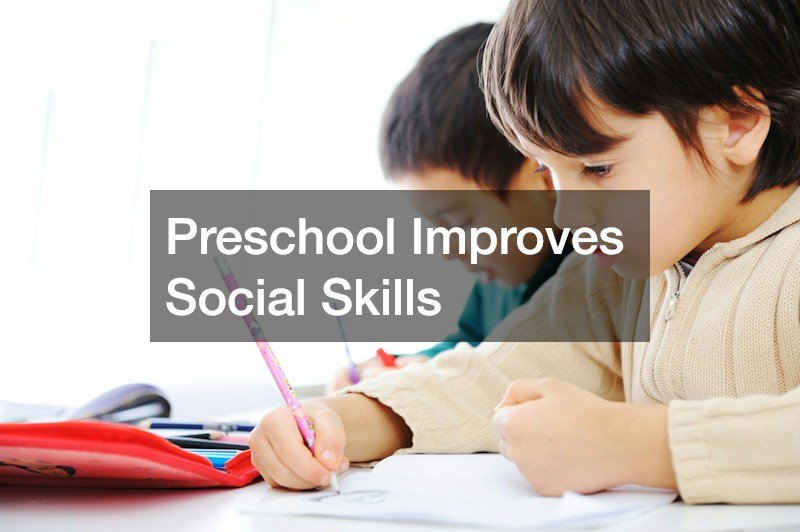
Preschool is often a child’s first significant experience in a communal setting outside the home, providing an essential environment for developing social skills. In this setting, children learn to interact with peers, share, and collaborate, vital skills for later educational success and personal relationships. Structured activities and playtime offer opportunities for children to navigate social rules and understand the importance of cooperation and teamwork. Teachers play a fundamental role here, guiding interactions and facilitating inclusive activities that encourage the mingling of diverse personalities. Studies show that children who attend preschool are more likely to have positive relationships and adjust better socially in kindergarten and beyond.
Participating in group activities, children are exposed to different perspectives and learn the valuable skill of empathy. This exposure is critical as it encourages children to consider others’ feelings and viewpoints, which is foundational for developing emotional intelligence. Through play, children learn to negotiate, take turns, and resolve conflicts, which are essential skills for interpersonal communication. Encouragement from teachers to empathize and extend kindness fosters a nurturing atmosphere conducive to social learning in preschool. As such, the play environment, structured by preschools, inherently cultivates vital life skills.
Preschool also helps children develop a sense of identity and self-worth. Engaging in peer interactions and learning to express themselves to adults builds confidence and independence. These environments are designed to be inclusive and supportive, offering a safe space for every child to find their social niche. As children learn to balance their needs with those of the group, they become adept at functioning within a community. This aspect of preschool nurtures leadership skills by encouraging initiative-taking and personal accountability within a peer group.
2. What Academic Foundations Are Established in Preschool?
Preschool sets the stage for future academic success by introducing foundational concepts in literacy and numeracy. During these early years, children are introduced to letters, numbers, shapes, and colors in a manner that is both engaging and age-appropriate. Activities like storytelling, counting games, and singing build these foundational skills in a naturally integrated way rather than through traditional instruction. The preschool curriculum often incorporates play-based learning, which allows children to explore these concepts creatively. The structured environment also helps children develop cognitive skills like memory, attention, and problem-solving, which are critical for academic success.
Teachers play a crucial role in nurturing a love for learning by creating a dynamic classroom environment filled with interactive and experiential learning opportunities. By integrating subjects like science and art into daily lessons, preschools make learning an exciting and integral part of the day. These curated experiences pave the way for a smooth transition to the more structured learning of kindergarten and beyond. With a focus on literacy, preschoolers frequently engage with books and storytelling, enhancing their vocabulary and reading comprehension from a young age. Thus, the early exposure to rich language and thought-provoking questions spurs intellectual curiosity and initiative.
Furthermore, preschool teachers assess individual learning styles and tailor the educational experience to meet diverse needs. By catering to these needs early on, preschools enhance educational equity and ensure that all children have access to the support they require for optimal development. This individualized attention is instrumental in identifying any learning challenges early, allowing for interventions that can significantly impact future learning trajectories. The goal is to lay a solid academic groundwork for lifelong education and to empower each child with the tools needed to thrive academically.
3. How Does Preschool Support Emotional Development?
Preschoolers are at a developmental stage where emotional awareness and regulation are becoming increasingly significant. High-quality preschool programs are designed to support this development by providing a nurturing environment where children can explore and express their feelings. Teachers model emotional intelligence by demonstrating how to handle emotions positively and by fostering an atmosphere of respect and empathy. This guidance helps children manage emotions such as frustration, excitement, and disappointment effectively, laying the groundwork for strong emotional health.
The structure and routine of preschool also play a vital role in emotional development. Consistent routines enable children to feel secure and understand the expectations, which is vital for their emotional security. With this sense of safety, children are more likely to take risks in learning and social interactions, enhancing their confidence and independence. Moreover, activities that require sharing, turn-taking, and collaborative play teach children how to control impulses and develop patience and perseverance. Thus, the environment supports balanced emotional development conducive to overall well-being.
Preschools also typically include activities that enhance children’s self-awareness and respect for others. Through guided discussions, stories, and role-playing, children learn to identify and name their emotions and understand the emotions of those around them. By participating in activities that promote sharing and cooperation, children start to appreciate the rewards of social relationships and teamwork. Encouraging reflective thinking and communication fosters a strong sense of self and regard for others, indispensable components of emotional intelligence. Ultimately, these experiences equip children with the ability to navigate an increasingly complex social world as they grow.
4. What Role Does Play Have in Preschool Education?
Play is often deemed the cornerstone of preschool education, acting as a primary tool for learning and development through exploratory activities. Through play, children explore their world, test new ideas, and practice problem-solving skills in a supportive environment. It is during play that children engage imaginations freely, which is crucial for creativity and cognitive flexibility. Moreover, play fosters language development, as children learn to articulate thoughts and express themselves verbally through social interactions and role-playing. The emphasis on playful learning underscores the belief that young children learn best through experiences that interest them and that they find delightful.
Quality preschools provide a range of play-based activities that cater to the spectrum of developmental needs. These activities incorporate both guided play and free play, each serving to stimulate different areas of development. Guided play involves structured tasks that are designed to achieve specific learning outcomes, while free play allows children to explore their interests. Both types foster inquiry, experimentation, and exploration, setting the stage for lifelong learning habits. Through play, children also gain physical skills, such as coordination and balance, which are important for later complex activities.
Furthermore, play-based learning highly encourages social interactions, which are vital for developing cooperation and collaboration skills. By participating in group games and dramatic play, children learn important social cues, understand the dynamics of teamwork, and build relationships with peers. These play opportunities allow for the practice of negotiation, leadership, and conflict-resolution skills, all within a controlled and supportive setting. Thus, a curriculum rich in play not only supports the acquisition of academic knowledge but also extends to social and emotional growth. The enhancement of these multi-faceted skills is what makes play an indispensable component of preschool education.
5. How Do High-Quality Preschools Engage with Families?
A hallmark of high-quality preschools is their proactive approach to engaging with families, recognizing parents as integral partners in a child’s education. Schools employ various strategies, such as regular communication through newsletters, meetings, and digital platforms, ensuring parents are kept informed and involved in their child’s learning journey. An open dialogue between teachers and parents allows for the sharing of insights, creating a support system that benefits the child’s holistic development. Events like family engagement days, workshops, and parent-teacher conferences further strengthen this home-school partnership. Engaged parents are more likely to continue reinforcing learned values and academic tasks outside school, enhancing developmental outcomes.
Family involvement in preschool settings also extends to cultural inclusivity and respect. High-quality preschools often make an effort to acknowledge and celebrate the diverse backgrounds of their students’ families. This inclusivity fosters a sense of belonging and respect, which is reflected in the child’s attitude towards peers from different backgrounds. Cultural events and projects in preschools allow families to share traditions, broaden understanding, and teach children to respect diversity. Such practices ensure a supportive environment that values each child and family, aiding in forming a socially cohesive curriculum.
Moreover, preschools that successfully engage families tend to have higher levels of student achievement and satisfaction. Collaborative approaches, such as involving parents in classroom activities and decision-making processes, directly contribute to a child’s sense of community and learning enthusiasm. By creating an environment where parents feel welcomed and valued, preschools enhance family bonds and contribute positively to a child’s developmental journey. The benefits of such engagement extend beyond the preschool years, setting a benchmark for continued parental involvement throughout a child’s educational career. These relationships play a critical role in creating a supportive and enriching schooling experience.
In conclusion, high-quality preschools offer a wide array of benefits that significantly contribute to a child’s early development. By improving social skills, establishing a solid academic foundation, supporting emotional growth, emphasizing the role of play, and engaging with families, these preschools prepare children for future success. The comprehensive approach ensures that children develop holistically, gaining fundamental skills that set them on a positive trajectory for lifelong learning. Recognizing the profound impact of such institutions is essential for educators and parents alike. Therefore, investing in and advocating for quality preschool education is crucial for nurturing the potential of future generations.